

Black History Case Files is more than a project—it’s a mission. We are dedicated to uncovering, documenting, and revealing the undeniable truths of history that have too often been ignored, rewritten, or deliberately buried. If history has been silenced, we give it a voice. If the record has been distorted, we set it straight. And if the truth is hidden beneath layers of time, bias, or neglect, we will dig it up and bring it back into the light. Every page, every case, and every discovery is part of a larger journey: to restore dignity, reclaim identity, and reconnect generations with the heritage that belongs to them. History is not lost—it is waiting to be found. And we are here to find it.
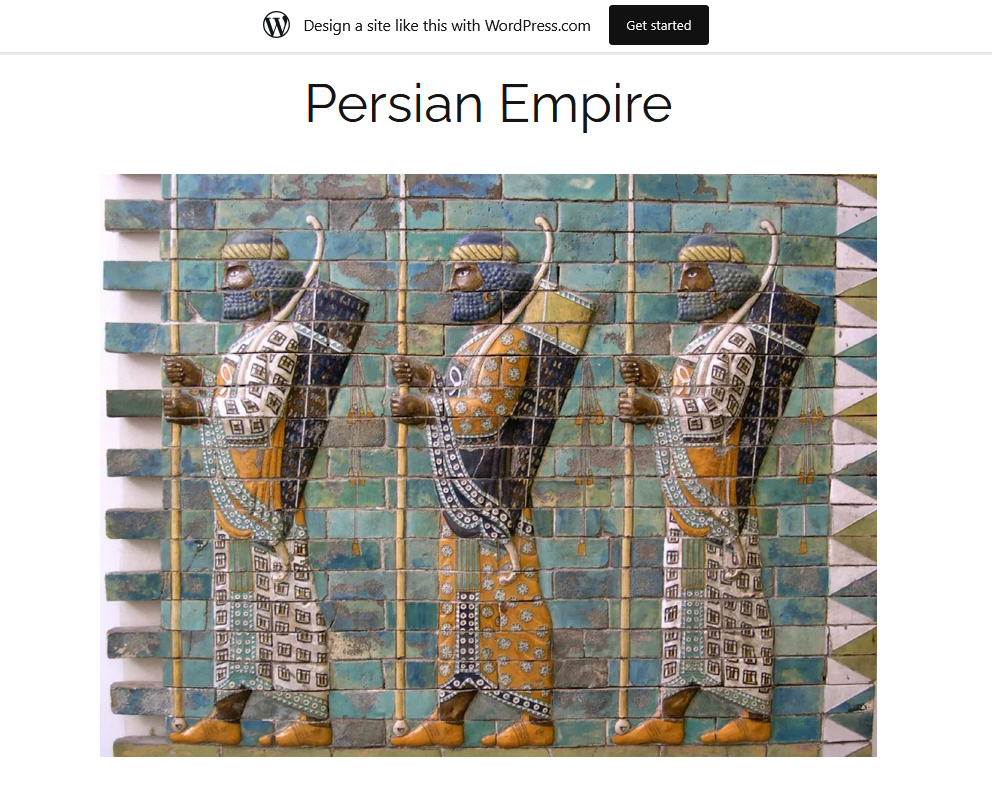
Brown-Skinned Warriors of Persia: Hair, Identity, and Contrast with Judah
The glazed brick reliefs of the Persian Empire, such as those preserved from the palace at Susa, portray warriors in striking detail. Marching in file, shields and spears in hand, their images reveal more than military regalia. Their brown skin, mid-length curly hair, and carefully patterned garments stand as a silent testimony of how the Persians envisioned themselves and wanted to be remembered.
Unlike the Judeans carved in the Lachish Relief, whose hair is short, woolly, and tightly coiled, the Persian soldiers are shown with longer, coarser curls that fall to mid-length. Their hair is not straight or flowing like later Europeanized images of antiquity. Instead, it is deliberately depicted with texture and curl, extending further down the sides of the head than the cropped curls of Judah. The sculptors used ridges, coils, and patterned carving to ensure that the Persians’ hair conveyed strength and distinction, while still showing clear difference from the people they ruled.
What emerges is a fascinating contrast:
-
Judah (Lachish Relief): Short, woolly hair—densely curled, cropped close to the scalp.
-
Persia (Susa Reliefs): Mid-length curly hair—coarse, textured, but longer and fuller than Judah’s.
-
Shared Trait: Neither group is portrayed with straight, flowing locks. Both are rendered with forms of curly or coarse hair, appropriate to their identities and regions.
Equally important is the depiction of skin tone. The Persian warriors are clearly shown as brown-skinned men, their darker complexions painted boldly in the glazed brick. This again challenges later reimaginings of ancient Near Eastern peoples as pale or European-featured.
Together, these two monumental works—the Lachish Relief and the Susa reliefs—allow us to see how different empires recorded ethnicity through hair and skin. The Assyrians marked the Judeans by their short woolly curls; the Persians, in their own palaces, emphasized their warriors’ brown skin and mid-length curly hair. Both are visual testimonies, carved and painted over 2,500 years ago, confirming that the ancient peoples of the Near East looked very different from the images popularized in later centuries.



Support By:


Copyright 2024 Archaeology theme. All Rights Reserved.